
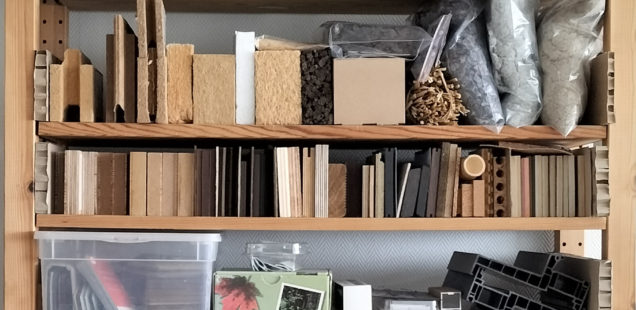
Biodegradable or recyclable, low-carbon materials are materials with a low carbon footprint* and low environmental impact. They are generally derived from natural resources (organic or mineral). We distinguish between biobased materials, which are derived from biomass such as wood, hemp,…
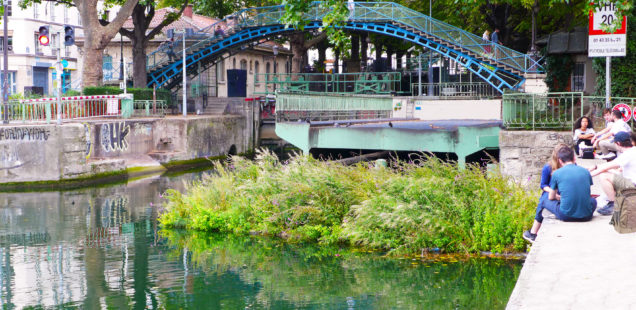
The recently published Living Planet Report from the WWF shows clearly that biodiversity – the rich diversity of life on Earth – is being lost at an alarming rate. The population sizes of mammals, birds, fish, amphibians and reptiles have…
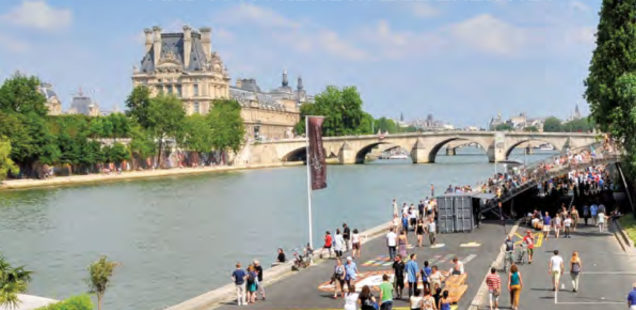
Mr. Yann Françoise is responsible for the energy strategy, the fight against climate change and the circular economy of the City of Paris. An engineer in urban engineering by training, he has become over time a specialist in energy issues…
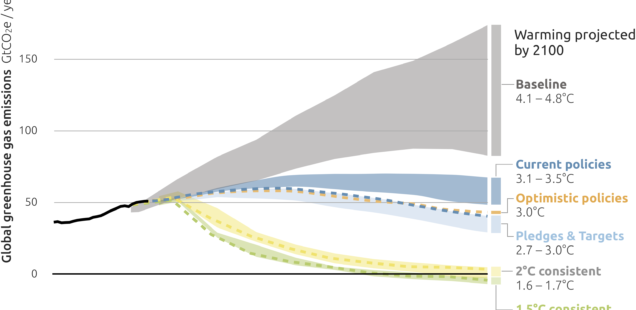
Climate change is happening and on a faster pace than ever recorded before. The summers are now marked by multiple wildfires on nearly all continents, heat waves, melting glacier, thawing of permafrost, water shortage, the reduction of the biodiversity and…
The proportion of renewable energies in the electricity mix of Germany reached the record level of 25.8% in 2014. An increase of 1.7% from 2013, when renewable energy accounted for 24.1%. But brown coal and stone coal together remain at…
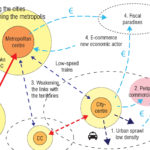
The combination of metropolisation and increasing financialization of the global economy leads to a concentration of the worldwide economic activities in a few international metropolitan areas. In consequence these metropolitan centres become more attractive, wealthier and financially inaccessible for the…
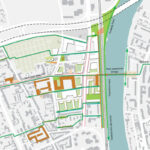
The industrial revolution began in the period from 1760 to about 1830 in Great Britain, before spreading to continental Europe and further. The development of the industry attracted high numbers of workers into the cities, accelerated their growth, required the…
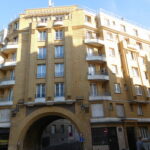
The necessity of the reduction in energy consumption Reducing energy consumption is one of the major challenges for the energy transition. The buildings in France represent the largest energy-consuming sector. Its share in the global energy consumption reaches nearly 45%…
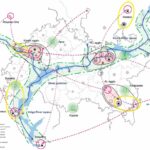
Riverscapes and settlements Water has always been and continues to be essential for human settlements. Alongside drinking water, water provided communities with fertile soil, energy to power hammers and mills. However, the most important function of the rivers and the…
New investments in infrastructure Germany has the image of one of the world’s car countries since Carl Benz invented the automobile in 1885 in Mannheim. In the 20th century major car manufacturers developed, like Volkswagen, Daimler-Benz, BMW, and they shaped…


Recent Comments